
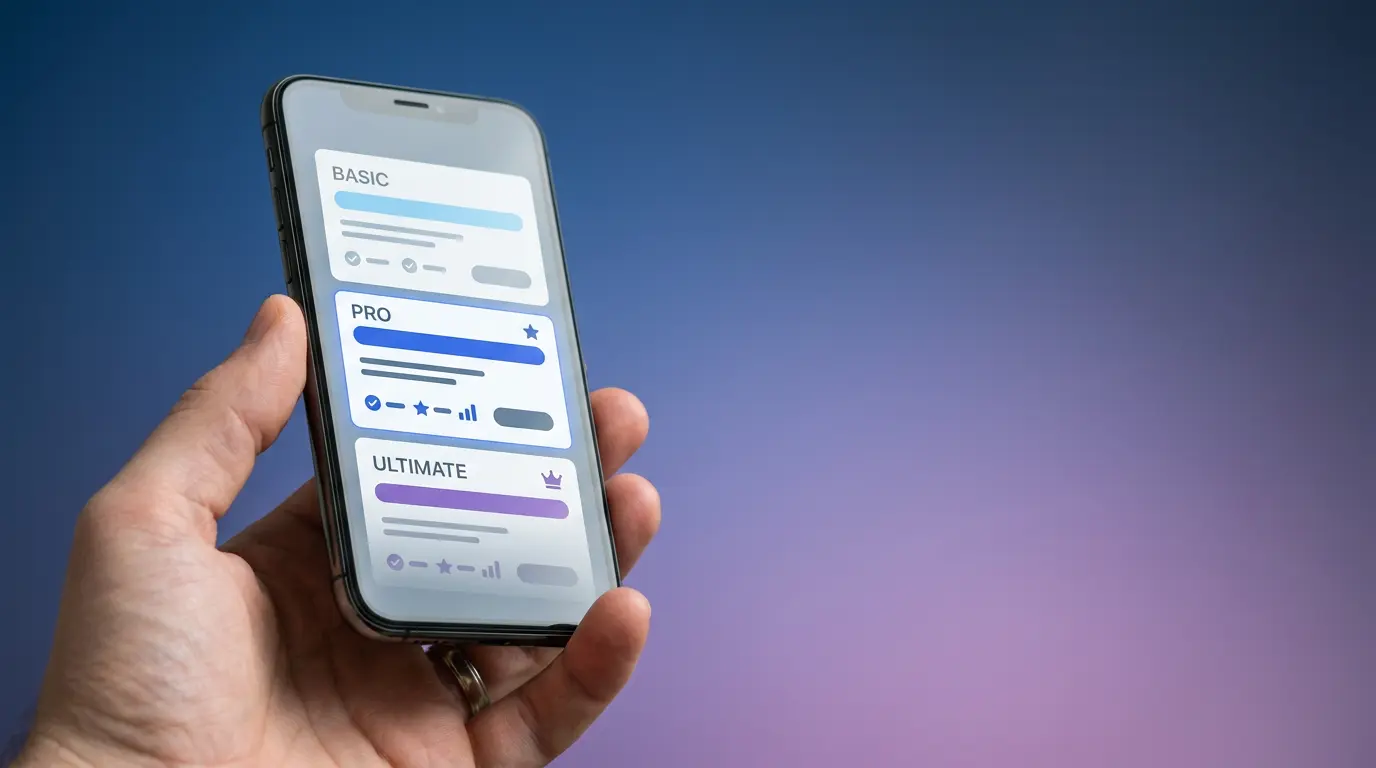
Google announced on May 22, 2026, at its annual Google I/O developer conference that the Subscription Management API for Google Play will be updated to let Android app developers present downgrade options – including lower-tier plans and promotional pricing – directly within the cancellation flow when a user attempts to cancel a paid subscription. According to Google’s own characterization, which has not been independently benchmarked, the feature is designed to improve subscriber retention by replacing the binary keep-or-cancel decision with a tiered alternative. For subscription-based small businesses and independent app developers, the change directly affects how churn is managed at the most critical moment in the subscriber lifecycle: the cancellation screen.
The announcement fits a pattern of major app store platforms extending subscription tooling to reduce developer-side revenue attrition. Apple has pursued a parallel approach on the App Store, introducing mechanics that lower friction for users who might otherwise cancel entirely – a trajectory covered in detail in Business2Community’s reporting on Apple’s monthly installment option for annual App Store subscriptions. Google’s move into the cancellation flow itself represents a more direct intervention than prior Play Billing Library updates, which already supported plan changes and proration logic but did not surface those options natively within the cancellation UI.
What Is Actually Changing in Google Play’s Subscription Downgrade Feature
The update routes users who initiate a subscription cancellation to a new screen where developers can surface one or more downgrade options – a cheaper base plan, a reduced billing frequency, or a promotional rate – before the final cancellation is confirmed. Diego Dayan, a Google representative, described the mechanic at I/O 2026:
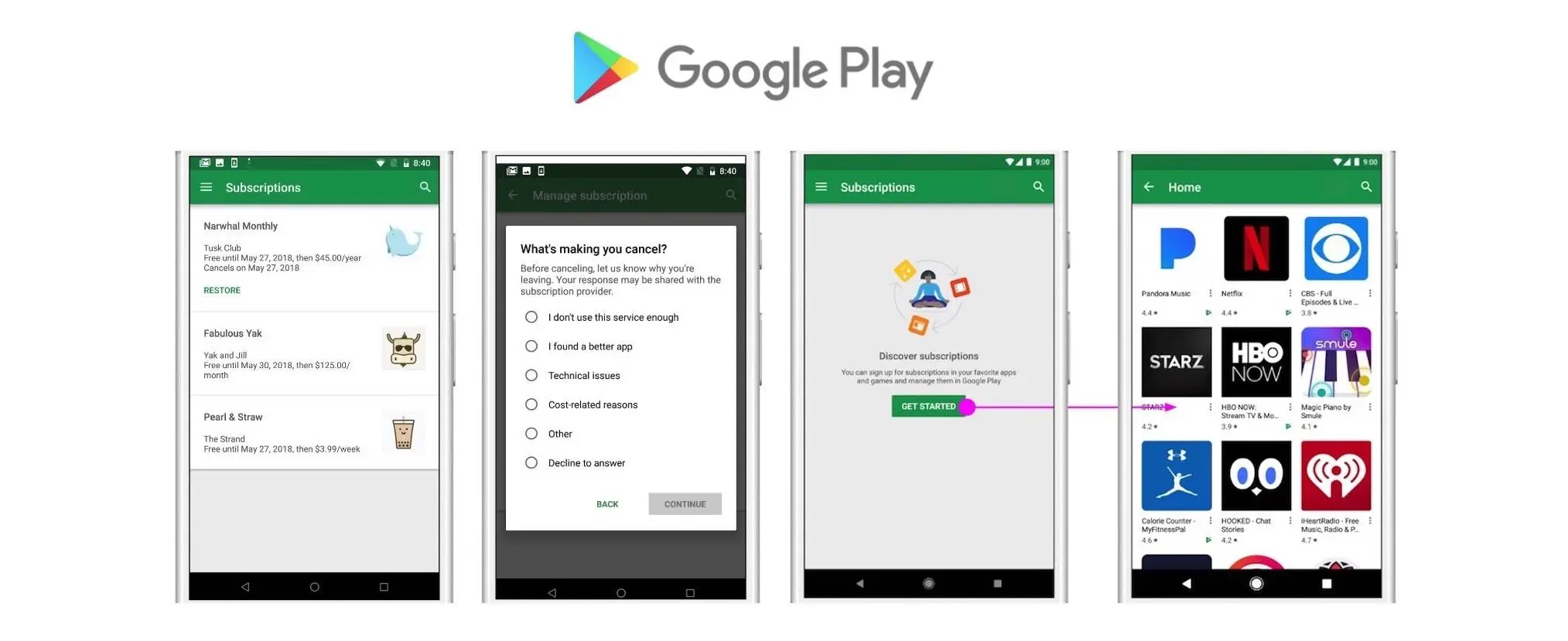
Coming soon, our in-app Subscription Management API will let users easily change plans directly within your apps. But more importantly, we’re bringing this functionality into the cancellation flow itself. If a user hits cancel, you can offer them a downgrade instead.
– Diego Dayan, Google Representative, Google I/O 2026
Google has stated that the cancellation flow itself remains structurally unchanged – the final unsubscribe button remains visible – but users who encounter a downgrade prompt must scroll further down the screen to reach it. That design choice has drawn mild scrutiny from Android-focused outlets, which have characterized the prompt as “more of a nudge than an obstacle,” though whether that framing reflects user experience at scale has not been independently verified. The downgrade options developers can offer map to Google Play‘s existing base plan and offers architecture, meaning developers can direct cancel-intent users to specific cheaper base plans or win-back discount offers configured through the Play Console, rather than requiring a separate product purchase.
The Opportunity and the Access Barriers for Smaller Operators
For developers running tiered subscription products – a common structure among productivity apps, media tools, and SaaS-adjacent mobile businesses – the feature creates a native retention surface that previously required either custom in-app logic or third-party subscription management platforms such as RevenueCat or Qonversion. Those platforms already document Google Play upgrade and downgrade support, including mapping to Google’s update policies and linked purchase token management, but integrating them carries its own cost and configuration overhead for smaller operators. The direct integration into the cancellation flow removes one layer of that friction and, according to Google’s framing, does so without requiring users to exit the standard Google Play subscription management interface.
The barriers, however, are less visible but worth examining. Developers must configure eligible base plans and offers in Play Console before any downgrade prompt can be surfaced – meaning operators without a defined lower-tier plan or pre-built promotional offer in their subscription architecture will need to build that pricing structure first. The feature is described as “coming soon” as of the May 22 announcement, with no specific launch date or Play Billing Library version number confirmed, so developers cannot yet test or validate the cancellation-flow hook in production. Additionally, understanding the expense impact of restructured subscription revenue – particularly for solo developers or small teams where one pricing tier represents a significant share of monthly recurring revenue – requires modeling downgrade conversion rates that no independent data currently supports.
What the Industry Is Building and What Operators Can Do Now
The broader industry direction is toward more granular developer control over subscription lifecycle events – pause, price change, win-back, and now in-flow downgrade – as app stores compete to keep developers on their native billing rails amid ongoing regulatory scrutiny of cancellation friction and dark patterns in subscription UI. Understanding why users abandon subscriptions and purchases is increasingly informing how platforms like Google design these retention surfaces, balancing developer revenue interests against consumer-protection standards that EU and US regulators have applied more aggressively since 2022. Since July 2021, Google has also offered a reduced 15% service fee on the first $1 million of annual Play Store revenue for all developers – a structure that makes subscription retention economics particularly consequential for small and mid-sized app businesses operating near or below that threshold.
For developers evaluating these tools now, several concrete steps apply:
- Audit your current base plan and offers architecture in Play Console – Confirm whether you have at least one lower-tier base plan or a configured win-back offer already defined. The downgrade flow cannot surface options that do not exist in your subscription product setup.
- Monitor Play Billing Library release notes for the cancellation-flow hook – The feature has no confirmed library version or general availability date as of the May 22 announcement. Subscribe to Play developer release updates so you can begin integration testing as soon as the API surface is documented.
- Define your downgrade pricing before the feature launches – Determine which plan or promotional rate represents a viable downgrade: low enough to retain price-sensitive users, but not so low it cannibalizes your existing mid-tier conversions. This decision requires modeling your current plan mix against expected downgrade conversion rates.
- Document your cancellation-flow UX before and after enabling the feature – Regulators and app store policy teams continue to scrutinize cancellation friction. Maintaining a clear record of what users see at each step protects against policy challenges if the downgrade prompt is later classified as a deceptive design pattern.
- Track churn and downgrade metrics separately after launch – Conflating downgrades with retained subscribers in your reporting will obscure the actual revenue impact. Segment monthly recurring revenue by plan tier from day one of enabling the feature to measure net revenue retention accurately.
Whether the subscriber retention gains Google has characterized – drawn from Google’s own product framing rather than independent developer testing across diverse app categories and audience segments – will materialize at comparable rates for smaller developers running single-tier subscription products or limited plan catalogs, as opposed to the high-volume apps most likely represented in Google’s internal data, remains the question the May 2026 announcement raises without fully answering.