
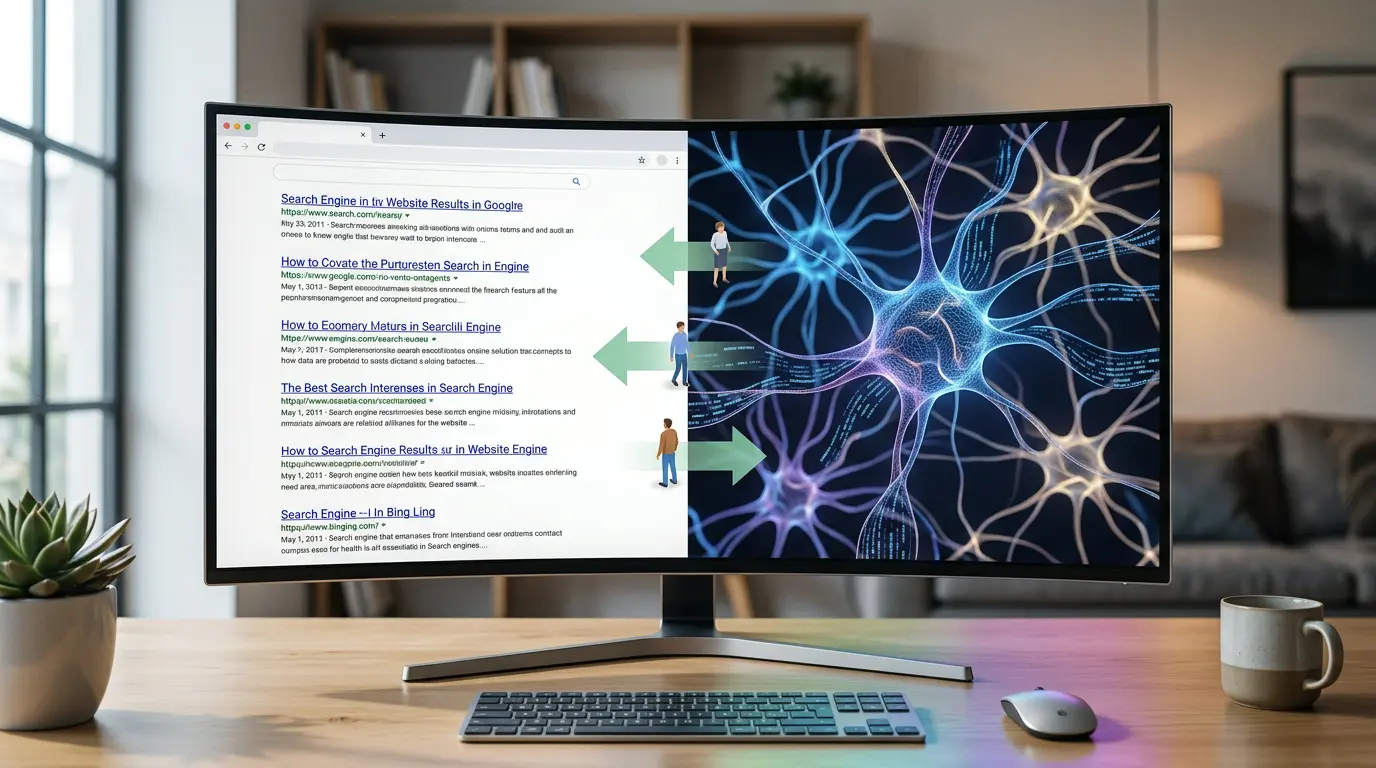
DuckDuckGo reported a peak single-day increase of 30.5% in U.S. app installs on May 25, 2025, compared to the prior week – figures the company released directly, a commercial interest that warrants independent scrutiny. Analytics firm Apptopia, which tracks app store data independently, corroborates the directional trend, estimating a 29% jump in average daily U.S. downloads and a 12% increase globally over the same six-day period. For small businesses that depend on search visibility, the data raises a material question: whether a measurable segment of users is beginning to route around Google‘s AI-heavy results in ways that could alter the discovery landscape their marketing budgets are built around.
What Is Actually Changing in Search User Behavior
DuckDuckGo‘s own figures show U.S. app installs rising 18.1% week-over-week on average from May 20 through May 25, with iOS installs averaging 33% growth and peaking at 69.9% on a single day. Those figures come from the company itself and have not been independently audited at the platform level, though Apptopia‘s parallel estimate of a 29% average daily download increase in the U.S. provides meaningful corroboration without fully resolving the question of methodology. What makes the timing notable is that Apptopia noted the surge held across the Memorial Day weekend, a period when app download activity typically declines.
A separate signal reinforces the install data. Traffic to DuckDuckGo‘s dedicated AI-free search page – noai.duckduckgo.com, which disables AI-generated answers and AI-curated images by default – rose 22.7% week-over-week on average over the same period, peaking at 27.7% on May 24. That page replicates a traditional link-based results interface, and its traffic growth suggests the install surge is not simply curiosity about DuckDuckGo as a product but specifically about obtaining search results without AI intermediation. These are DuckDuckGo-reported figures, and the company has not disclosed the absolute traffic baseline from which those percentages are calculated.
Google presents a contrasting picture of its own momentum. The company reports that its AI Mode surpassed one billion monthly users, with queries more than doubling every quarter since launch. DuckDuckGo CEO Gabriel Weinberg has publicly characterized Google as “force-feeding AI with no way to opt out” and argued the results are becoming “worse, not better” – a statement that describes his competitive positioning and does not independently quantify search quality degradation or user satisfaction at scale.
The Opportunity and the Access Barriers for Smaller Operators
For small businesses, the concrete upside of this shift is narrow but real. DuckDuckGo‘s results page continues to display traditional organic links rather than AI-generated summaries, which means that businesses optimized for conventional search engine visibility strategies may find their pages surfacing more prominently on DuckDuckGo than on a Google results page dominated by AI Overviews. If the install surge translates into sustained usage – not yet confirmed – even a fractional share gain by DuckDuckGo could restore some organic referral traffic that AI-summarized Google results have displaced.
The barriers, however, are less visible but worth examining. DuckDuckGo held approximately 2% of the U.S. search market before this spike, against Google‘s near-90% share. A 30% jump in installs on a 2% base does not constitute a structural reallocation of search traffic. App installs also measure intent to try, not sustained behavioral change – users who install DuckDuckGo and return to Google as their primary engine within weeks would not appear as a lasting shift in the referral data that small business analytics actually capture.
There is also a methodological gap between what these figures measure and what small business operators need to know. Install counts and page traffic percentages describe top-of-funnel platform adoption. They do not yet show whether DuckDuckGo users are conducting the same commercial-intent queries – product searches, local service lookups, vendor comparisons – that drive small business leads. Small businesses increasing their marketing investment need referral source data, not install trends, before reallocating optimization effort.
What the Industry Is Building and What Operators Can Do Now
DuckDuckGo is not the only alternative search engine drawing attention in this period. Brave Search, which also emphasizes privacy and traditional link results, has reported steady growth. Perplexity is moving in the opposite direction – toward more AI-generated answer formats – but has attracted users seeking sourced, citation-backed responses rather than unsourced summaries. The diversification of search behavior across multiple platforms is itself the trend, and it predates this week’s DuckDuckGo install figures; the current spike is a data point within a longer pattern of user fragmentation away from a single dominant search interface.
For practitioners tracking how platform shifts affect digital marketing costs and reach, the more durable strategic question is whether Google‘s AI Overviews will face opt-out pressure – from users, from regulators examining antitrust implications of AI display practices, or from advertiser feedback about reduced click-through rates on organic results. None of those pressures have produced a policy change yet, but they represent the structural variables that will determine whether this install spike becomes a market share story.
Operators who want to respond to this data now, rather than waiting for sustained traffic evidence, have a limited but specific set of actions available:
- Audit your current referral traffic by search engine – Most analytics platforms segment organic visits by source; establishing a current baseline for DuckDuckGo-referred sessions now will make any future shift measurable rather than anecdotal.
- Confirm your site is indexed and rendering correctly on DuckDuckGo – DuckDuckGo uses a combination of Bing‘s index and its own crawler; sites that have not been verified in Bing Webmaster Tools may have indexing gaps that would otherwise go unnoticed at current traffic volumes.
- Preserve traditional on-page SEO practices rather than pivoting entirely to AI optimization – Clear title tags, structured headings, and descriptive meta descriptions remain the primary signals for link-based results pages; de-emphasizing them in favor of AI-specific schema would be premature given the market share numbers.
- Monitor Google Search Console for AI Overview impression data – Google has begun surfacing some AI Overview appearance data in Search Console; tracking whether impressions are rising while clicks stagnate would quantify any traffic displacement that the DuckDuckGo migration hypothesis is meant to explain.
Whether the install surge DuckDuckGo has reported – drawn from the company’s own analytics and corroborated directionally but not fully verified by Apptopia‘s independent estimates – will translate into sustained referral traffic gains for small businesses whose pages currently rank well on link-based results but are buried beneath AI Overviews on Google, remains the question this week’s data raises without fully answering.