
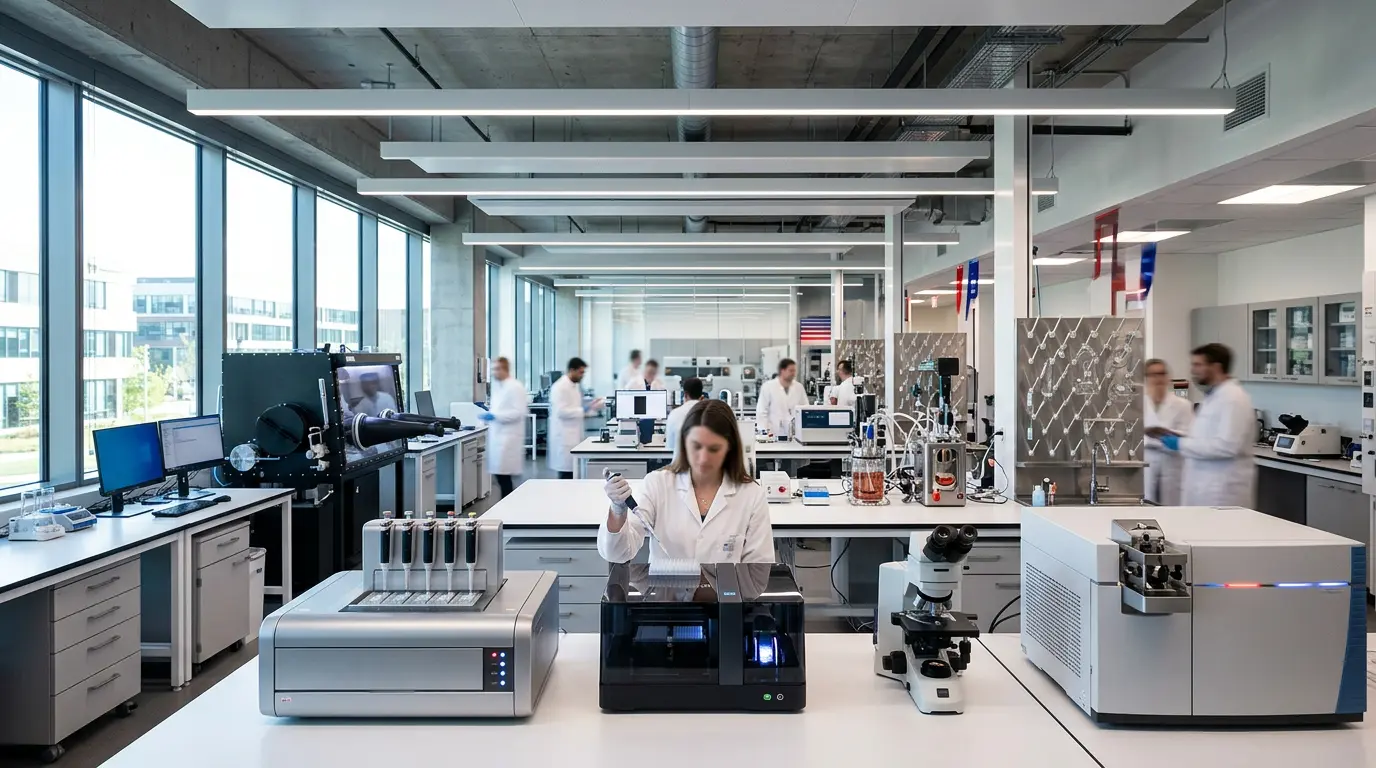
The National Science Foundation has relaunched its Small Business Innovation Research and Small Business Technology Transfer programs with $250 million in new funding for startups and small businesses, including a $40 million pilot initiative targeting next-generation scientific instrumentation. The programs provide non-dilutive capital, meaning NSF takes no equity and awardees retain full ownership of their intellectual property, to early-stage deep-tech companies translating federally funded research into commercial products.
The relaunch restores a funding pipeline that had been paused pending program review. Between fiscal years 2016 and 2025, NSF invested more than $2 billion in over 1,600 startups and small businesses through SBIR/STTR; those companies subsequently raised nearly $36 billion in private investment and achieved approximately 380 exits, according to financial research platform Pitchbook.
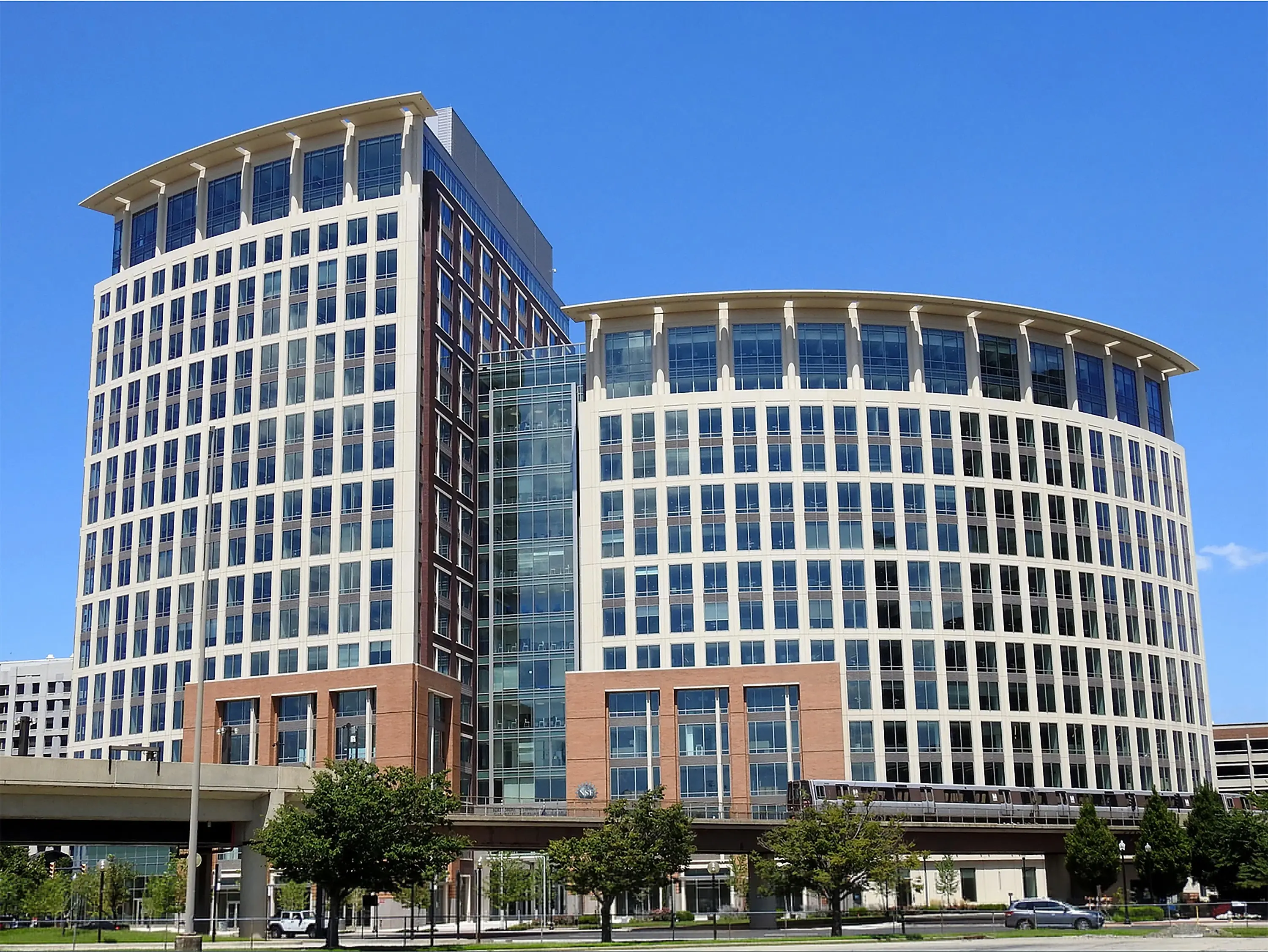
What the NSF SBIR/STTR programs cover and how the award structure works
The relaunched solicitation, designated NSF 26-510, funds companies across Phase I and Phase II award tracks. Phase I awards reach up to $305,000 for six to twelve months of R&D; Phase II awards reach up to $1.25 million over 24 months. NSF also offers a Fast-Track option combining Phase I and Phase II work under a single integrated award of up to $1,555,555, alongside Supplements and Strategic Breakthroughs tracks for select projects.
The new scientific instrumentation pilot, solicitation NSF 26-511, carries a separate $40 million budget and raises the per-company ceiling to $2 million – above the standard Phase II cap. NSF anticipates approximately 86 awards under that pilot, which will prioritize novel experimental platforms and advanced scientific equipment designed to open new fields of discovery. “Scientific breakthroughs cannot have transformative impacts without the tools to further develop and pursue them,” said Erwin Gianchandani, NSF assistant director for Technology, Innovation and Partnerships.
Across the full program, NSF projects roughly 340 total SBIR/STTR awards annually under the new solicitation, including approximately 180 SBIR Phase I awards and 50 STTR Phase I awards, with the balance distributed across Phase II and other proposal types.
Why the program history and scale matter for applicants tracking deep-tech capital
NSF piloted the SBIR program for the federal government in the late 1970s; Congress formally established it in 1982 and extended it to other agencies with significant extramural R&D budgets. The SBIR and STTR Extension Act of 2022 most recently reauthorized the programs through September 30, 2025, adding new commercialization benchmarks and foreign-risk disclosure requirements alongside the deadline extension.
The $250 million deployment represents a meaningful increase over prior funding levels – NSF’s anticipated Phase I budget in FY2023 stood at roughly $85 million, compared to a projected $210 million annual SBIR/STTR budget under the new solicitation. That scaling reflects a broader federal emphasis on using SBIR/STTR as a primary vehicle for domestic deep-tech commercialization and U.S. competitiveness in advanced science and engineering.
What the relaunch means for small businesses and startups seeking non-dilutive R&D capital
Eligibility centers on early-stage companies – most emerging directly from academic or federal laboratory research – seeking to develop high-risk, high-impact technologies toward commercial viability. The program does not restrict applicants by ownership category, though it requires that the principal investigator be primarily employed by the small business at the time of award for SBIR projects, while STTR projects require a formal research partnership with a nonprofit research institution.
Competition is significant: historical Phase I acceptance rates have run roughly 10 to 20 percent across federal SBIR programs. Applicants begin with a project pitch submitted to the NSF SBIR/STTR team – a screening step designed to spare companies the effort of preparing a full proposal if the innovation does not align with program criteria. If the pitch clears that threshold, the company receives an invitation to submit a full Phase I proposal. For startups tracking multiple avenues for early-stage capital, a broader look at startup financing options places non-dilutive federal grants within the larger funding landscape.
Where the program stands and what applicants should track next
Project pitches can be submitted at any time through the NSF SBIR/STTR portal. Full proposals are reviewed on three fixed annual deadlines: the first Wednesday in November, the first Thursday in March and the first Wednesday in July – with the initial cycle running from July 27, 2026, to November 4, 2026 and March 4, 2027. The instrumentation pilot closes on Grants.gov on July 27, 2026.
The SBIR/STTR reauthorization timeline remains an open variable: current statutory authority runs through September 30, 2025, meaning Congressional action before that date will determine whether the elevated funding levels and new instrumentation pilot structure carry formal legislative backing into subsequent fiscal years. NSF’s full program details are available at NSF’s official program announcement.