
President Donald Trump announced on May 1, 2026, that he will raise tariffs on cars and trucks imported from the European Union to 25%, with implementation targeted for the week of May 8. The move reverses a key provision of the 2025 US-EU trade framework, which had capped vehicle tariffs at 15%, and immediately raises cost questions for businesses across the automotive import chain.
Dealerships carrying European marques, auto importers, customs brokers, logistics firms, and repair shops sourcing EU-manufactured components are among the business categories most directly in the line of fire. For all of them, the mechanism is the same: a tariff increase of this scale raises the landed cost of every EU-built vehicle or part before it reaches a buyer.
What the proposed 25% tariff would cover
Trump announced the tariff increase via Truth Social, stating:
“Due to the European Union’s non-compliance with our trade agreement, I will raise, next week, the tariffs imposed on EU exports of cars and trucks to the United States.”
The administration cited the EU’s failure to comply with the trade framework finalized in July 2025 as the justification.
That 2025 framework had reduced vehicle tariffs from the 25% rate Trump originally imposed in 2024 under Section 232 of the Trade Expansion Act, which authorizes tariffs on national security grounds, down to a 15% ceiling. According to Business Insider, the proposed increase would revert rates to the original 25% level. Trump did not specify the legal authority for this latest action, though Section 232 remains the most likely vehicle given that broader IEEPA-based duties were struck down by the Supreme Court earlier in 2026.
The tariff applies to cars and trucks – not just finished passenger vehicles. EU member states, including Germany, are major exporters of both categories, with brands such as Volkswagen, BMW, and Mercedes-Benz relying on the US as their largest overseas market.
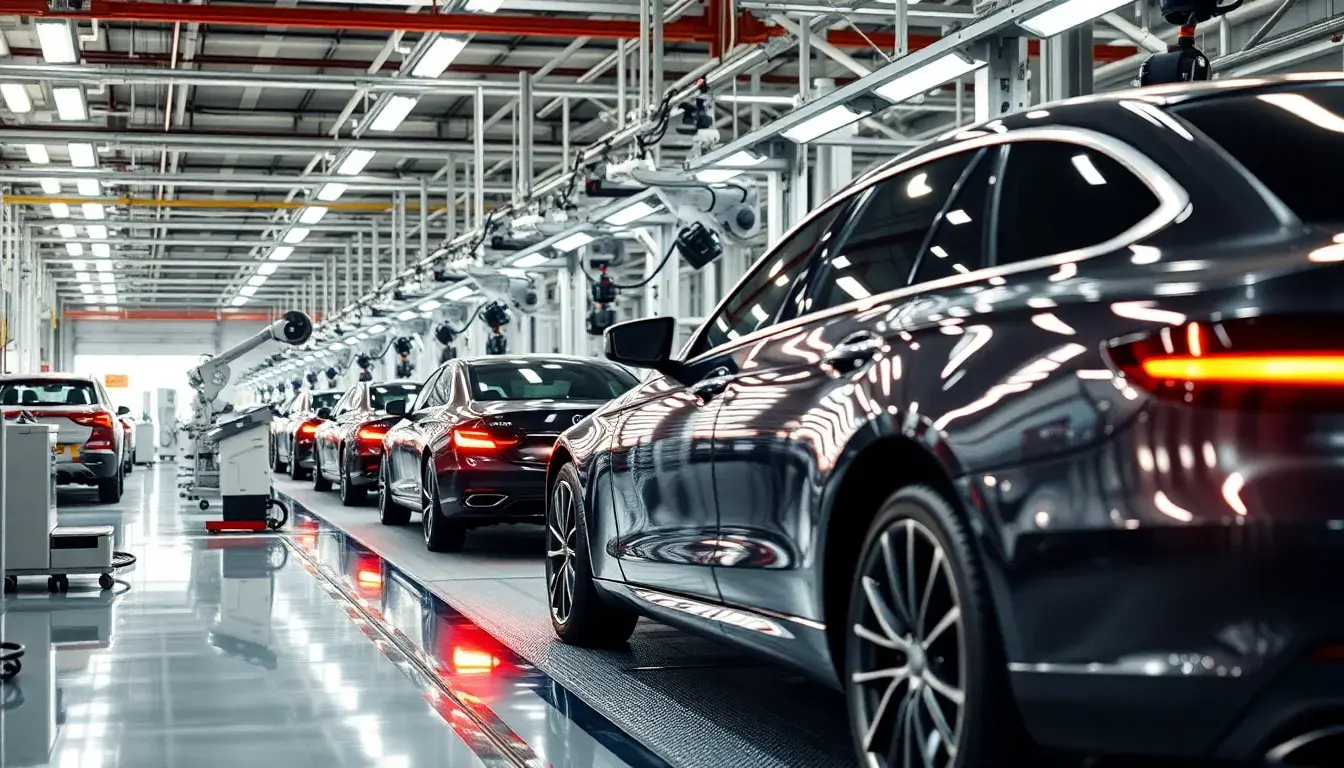
How dealerships, importers, and logistics firms could be affected
For auto dealerships that carry EU-sourced inventory, the 25% tariff would show up directly in acquisition costs. Prior 15% duties were already estimated to add $2,000 to $3,000 per vehicle, and a jump to 25% would push that per-unit cost burden meaningfully higher, compressing margins for dealers who cannot immediately pass the full increase to buyers.
Importers and customs brokers would face the administrative and financial burden of reclassifying duty obligations on shipments already in transit or under contract. Contracts priced under the 15% framework may no longer reflect actual landed costs if the tariff takes effect as announced.
Auto parts suppliers and repair shops sourcing European components – particularly for luxury or specialty vehicles where EU-made parts are standard – could see similar cost pressure on inventory. Logistics and freight firms moving EU vehicles through US ports would not bear the tariff directly but may face reduced import volumes if demand softens at higher price points, affecting freight revenue.
Supply chain exposure and the pricing question
The broader supply chain question is whether businesses absorb the additional cost or pass it through to end buyers. In comparable Section 232 tariff episodes, the evidence has generally shown a mixed outcome: some cost is absorbed at the importer or dealer level, and some is passed to consumers, with the split depending on competitive conditions and inventory levels.
Trump also suggested that automakers could avoid the tariff by shifting production to US facilities – a signal that the policy is partly designed as a manufacturing incentive, not just a trade lever. For businesses operating in the import chain rather than manufacturing, that option is not available. The broader pattern of trade policy disruption adds uncertainty to procurement and pricing decisions across sectors – a dynamic also visible in other global supply chain developments, such as the supply disruptions affecting LNG markets, where businesses have had to reprice risk in real time.
Where the tariff proposal stands and what comes next
As of the announcement, the tariff increase had not yet taken legal effect. The administration set an implementation target of the week of May 8, 2026, but the specific executive mechanism had not been publicly documented. EU negotiators were pushing for urgent talks to avert escalation, and Bernd Lange, chair of the European Parliament’s trade committee, called the US an “unreliable trading partner” and urged retaliatory measures. A US auto industry spokesperson, cited by Business Insider, called on both sides to “uphold the agreement made last year and work together to find a swift resolution.”
A formal review of the US-Mexico-Canada Agreement is scheduled for July 2026, which could factor into how automakers and suppliers weigh production and sourcing decisions in the months ahead. Whether the EU responds with retaliatory tariffs or pursues a negotiated resolution will shape the cost environment for businesses on both sides of the trade.